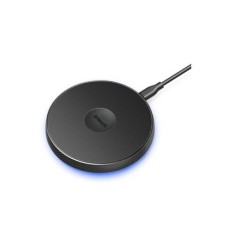
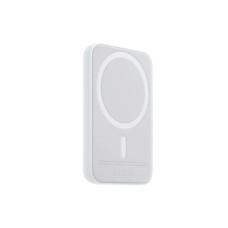
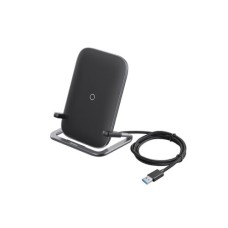
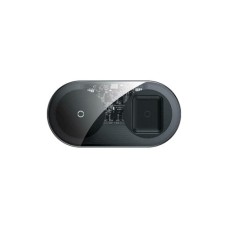
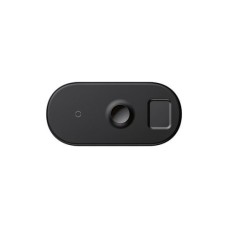
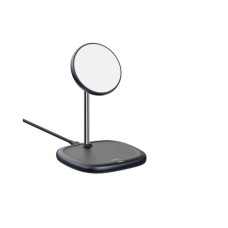
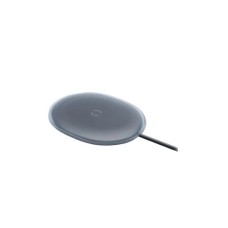
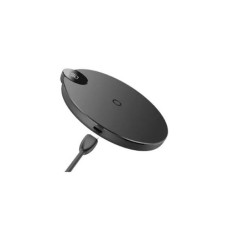
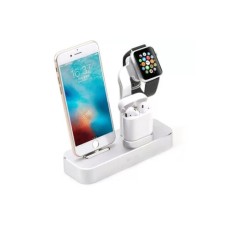
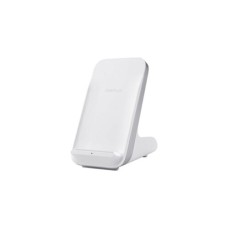
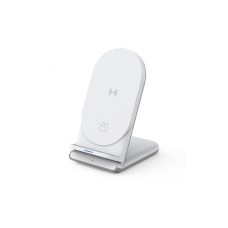
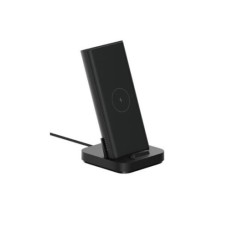
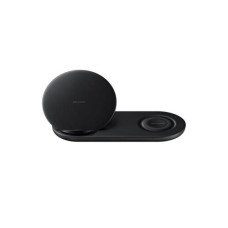
The way we power our gadgets is revolutionized by wireless freedom provided by mobile wireless chargers. These chargers are so convenient that they free users from the limitations of cords. Imagine not having to look for outlets or untangle wires to conveniently charge your smartphone or other devices wherever. Whether at home, at work, or on the road, users can stay connected and productive with this technology. People may live their everyday lives with full freedom and flexibility as they are no longer dependent on a power source. With a smooth charging experience that increases our independence and productivity, mobile wireless chargers redefine convenience.
Leading companies with cutting-edge goods, such as Anker, Apple, Samsung, and Xiaomi, control the market for mobile wireless chargers. Businesses that address a range of customer demands, such Baseus, Joyroom, and OnePlus, also provide excellent possibilities. Newcomers COTEetci and Wiwu are becoming well-known for their dependable charging options. To ensure that consumers have an abundance of options for wireless charging, each brand contributes its distinct features and design philosophy.
Wireless charging methods that are often used include Qi, Resonant, Infrared, Radio Frequency (RF), and Ultrasound. Among these, Qi is the most widely used as it complies with industry standards and works with a variety of devices. Greater placement flexibility is made possible by resonant charging, and new technologies like ultrasound and radiofrequency (RF) offer promise for use in the future. Different user demands and preferences are catered to by the distinct advantages and uses of each form of wireless charging.
Wireless charging is just as fast as using conventional chargers. A 5-watt charging pad will charge your smartphone just as quickly as a 5-watt/1 Amp wall charger – which is usually the kind supplied with your smartphone.
A wireless charger is made up of coiled wires around a bar magnet, i.e., an inductor. Once an electric current passes through the wires, an electromagnetic field is created around the magnet, helping transfer a charge. Qi wireless technology has helped transform wireless charging as well.
Some smartphones claim they are water-resistant or even waterproof, but most wireless chargers will not be. As with all electrical devices that connect to a power outlet, liquid can be very dangerous. Don’t get your wireless charger wet, and make sure your phone is dry before you set it down to charge.
IT SOURCE stands as Bangladesh's largest retail destination for Gadgets, Office equipment, PC Accessories, and Headphones and earphones. Visit any of our branches for unbeatable deals on your preferred Mobile Wireless Charger. Additionally, our extensive range of products and services is available on the IT SOURCE online store. Choose from a variety of payment methods and enjoy hassle-free EMI options. Our delivery network spans across Bangladesh, ensuring nationwide coverage. Shop with us for convenience, reliability, and exceptional value.
Q: Is wireless charging faster or slower than cable charging?
A: A 5W wireless charging system can deliver up to 5W of power to the battery of your phone. This is like a 5V/1A USB outlet and therefore it’s just as fast as wired charging. In general, it depends on the amount of power delivered to the phone. With cabled charging, the amount of power is dependent on the type and power rating of the adapter in combination with the capabilities of the phone. For wireless charging it is actually the same; a 15W charger has the capabilities to charge your phone faster than a 5W charger, but this also depends on the amount of power your phone can handle. In most cases a 10W wireless charger is enough for Apple fast charge or Samsung fast charge.
Q: How does wireless charging work?
A: Wireless charging works by something which is called magnetic induction. In inductive charging systems, energy is transferred between coils by a magnetic field via inductive coupling. Read more on how wireless charging works.
Q: Is wireless charging safe?
A: Wireless charging systems must obey a set of rules and regulations related to electromagnetic interference (EMI/EMC), sometimes also called “radio disturbance”, and magnetic fields. All Zens products meet these rules and regulations and are Qi-certified. So, is wireless power safe? Yes, all kinds of precautions have been taken to make sure that our wireless chargers are perfectly safe. Always make sure that your wireless charger is Qi-compatible and Qi-certified. This way you can be sure that your wireless charger is safe for use.
Q: Why should I use wireless charging?
A: Convenience, for one. With a wireless charger, you no longer need to plug a cable into your phone to power it up. Many wireless chargers will need to be plugged in to operate, but it still means you don’t have to mess around finding the end of your charging cable to plug into your phone — you can simply place it on top of the pad until you're ready to pick it up and use it again
Q: Which smartphones use wireless charging?
A: Hundreds of phones can be wirelessly charged and thousands of products that you can buy to charge them. The Wireless Power Consortium keeps a full list of both wireless chargers and chargeable devices, but below are some examples from some of the most popular smartphone brands around: